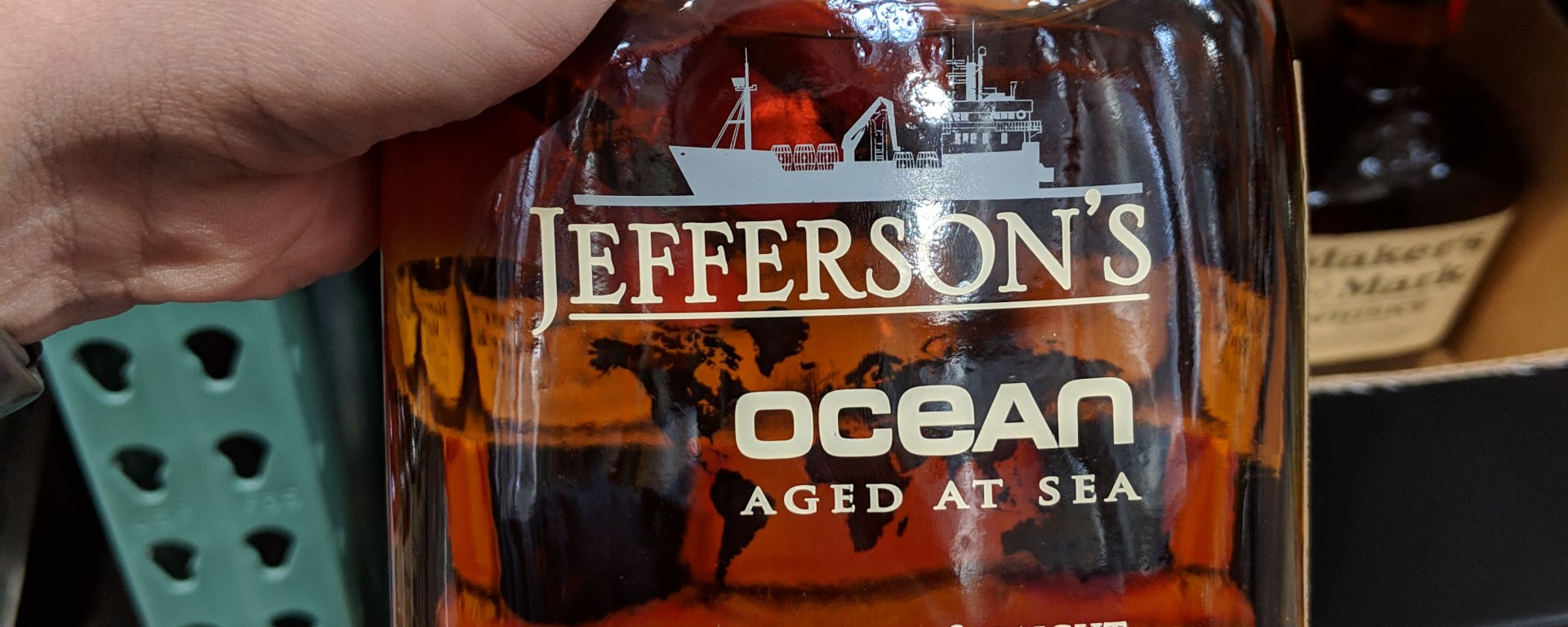
How should you buy alcohol? Most of you likely have some notion of how to buy it, whether it be based on preference or price. So it’s a silly question, but is it? Over the next few weeks I’ll be revealing my tips and tricks to expand your flavor palettes and alcohol cabinets.
This week I’ll be going over how much you should pay for a bottle of your drink of choice based on a trick I learned while studying sommeliers. While taste and purpose play their part I would argue that most casual drinkers are deterred more by price tag than anything else. It seems obvious, most things are picked based on price, but that is where the decision ends with most people. I believe this is a fallacy, that quality should be considered as well and to that end I intend to give you my take on my quality to dollar ratio.
Let’s start with a little exercise, you’re picking up beer for the week. Before you lies two choices, Budweiser and a Local Craft Lager. A six pack of Bud will run you about $7 while the Local stuff can be up to $10. Seems like a no brainer, buy the Bud and a bag of chips and you’re set for the week. On the surface this makes sense, who would pay nearly $2 for a bottle of beer? Except the person who likes Bud would pay that, more than that actually, when they go out to eat. Typically a bar will charge somewhere between $2.50 to $3.50 for a bottle of Budweiser, making the $1.70 for the Craft Lager seem like a deal. So going back to the grocery store, do you still want the Budweiser or are you willing to give the local brewery a shot? How much is your personal satisfaction worth?
When buying alcohol it’s worth framing the question in terms of “how much would I pay per drink?” rather than looking at the whole price of the bottle. A $50 bottle of whiskey seems intimidating until you realize that each shot, roughly 45 ml, is $2.94 and cheaper than the shot of well whiskey you get at your local dive bar. If you’re looking at buying a bottle of wine for date night think about how much you’re willing to pay for a glass of wine at a fancy restaurant and base the price off of that. I would be willing to bet that changing your frame of mind will help expand your choices, especially when you realize a nice bottle of Scotch will cost about the same as a night of jello shots and regret and will be much more enjoyable over a longer time.
We now have the question, how much would I pay per drink, but how do you answer it? It’s a subjective answer that I will attempt to give an objective answer to. The number one thing is to train your palette and associate taste and quality with price, ask yourself when you taste something “How much would a pay for a serving of this?”. The easiest way for most people to answer the question is to base it off restaurant prices, though if you have access to tastings I’d go for these as cheaper alternatives. While this system comes with flaws, mostly that you shouldn’t pay restaurant prices for home consumption, it gives you a good line not to cross. If you think a glass of wine tastes like $7 but the bottle costs $40 then skip it. Eventually with enough practice you’ll be able to figure this out.
What if you don’t have a chance to taste the drink beforehand? This is where experience and the internet comes into play. If you can get a smaller serving, be it a single can of beer or a mini bottle, then I’d say do it. If you can’t, ask around and do research, there are a lot of apps out there that do aggregate reviews and if you know of professional reviewers that generally have tastes similar to yours that’s also an excellent source. In the end it boils down to how knowledgeable are you on the style and what kind of risk are you willing to take.
For all alcoholic drinks the formula is the same: Take the bottle, divide it by serving size, and then multiply that by the price you’re willing to pay to a single serving. That will give you the most you should pay for that bottle. As expressed by an actual formula:
Price per Serving X (Bottle/Serving Size) = Upper Limit for the bottle
With that, onto the specifics for each category. I will post a quick conversion guide at the end of this post for you to copy and paste into a note app.
Wine, the glorious liquid this blog is based on, is easier than you might think. As a general rule a 750ml bottle of wine will hold five 5-ounce servings, so you could do multiply the price per glass by five. I prefer multiplying the number by four, usually when I buy a bottle of wine I usually have an even number of people drinking and I find the number more realistic. If you’re familiar with regions and varietals you can generally assume the quality of wine, if you aren’t familiar however your best bet is the internet. I like Vivino as my virtual wine consultant, simple to use and combines both professional and amateur reviews into a fairly helpful rating system.
Beer is the easiest as most restaurants will serve some, if not most, of their beer by the bottle. If you are used to having your drinks on draft then I would take the draft price and divide it in half to avoid any hard math and avoid incorporating restaurant markups into your decision. If you want to get specific your typical draft beer is anywhere from 16 to 24 ounces. If you’ve experienced enough breweries you can usually determine whether the beer you’re about to buy will meet your tastes or not. As for resources, my go to is Untappd which operates as a crowd sourced rating system that I have found to be generally accurate.
Liquor requires a bit trickier math as your typical 750ml bottle has 17 servings, 1.5 ounces or 45ml, in it. Other than the odd math it’s the same formula, though I’d change the multiple to 15 for simplicity’s sake. Knowledge of regions and styles is helpful here. Your best resource here is Distiller, it covers expert reviews on not just whiskeys but other distilled spirits as well.
What did we learn? Price is important but it should always be considered alongside quality. Sure Barefoot wine is five times cheaper than that bottle from Napa, but is your happiness that cheap or is it the dollar to quality worth it to you?
Before we close out I’d like to mention one thing, buy based of your taste. If you don’t like Cabernet Sauvignon then it really doesn’t matter if it’s the best in the world, you won’t like it at any price. With that final word I wish you happy hunting and many a glorious drink! Stay tuned for part two where we discuss how to research your next buy!
Reference Guide:
Formula: Price per Serving X (Bottle/Serving Size) = Upper Limit for the bottle
Bottle of Beer: 12 oz/355ml
Draft Beer: 16-24 oz/473-710ml
Bottle of Wine: 25 oz/750ml
Glass of Wine: 5 oz/150ml
Servings per Bottle: 5
Bottle of Liquor: 25 oz/750ml
Shot/Jigger: 1.5 oz/45ml
Servings per Bottle: 17
 The Cellar Master