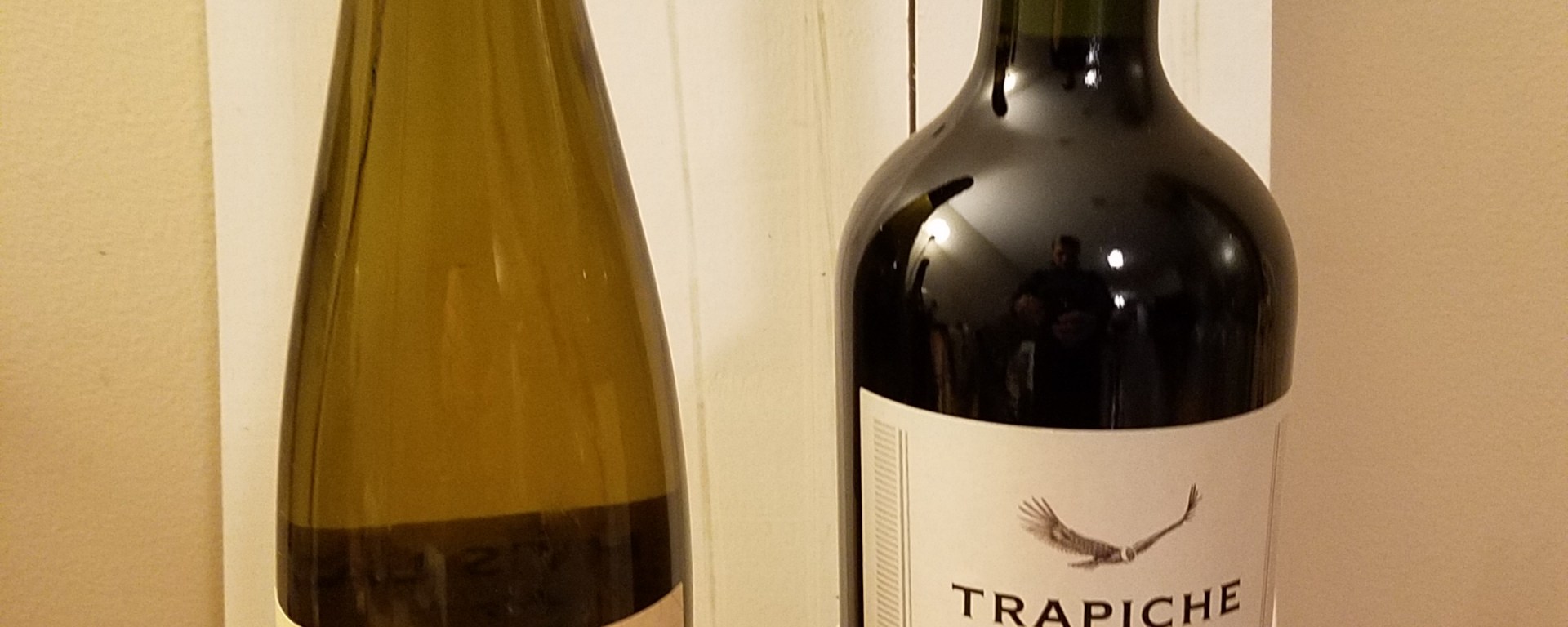
“If you let a white wine sit long enough will it turn red?
- Overheard at a wine store
One of the most common questions I’ve heard from people learning about wine about the color of wines? The quote above is a testament to this. Last week I asked why a simple grape juice had so much confusion around it and for a lot of people color is where the trouble starts. If you are asking why wine is the color it is, this post is for you. For those who already know, maybe you’ll learn something new.
It’s probably best to start with red or white myths.
- Whites will turn red over time: Leaving a white wine out will not turn it red, it will turn darker but not red.
- Food coloring, that’s the trick: This is not the trick. Most countries have strict wine rules and laws that would forbid such ridiculousness. Even the relatively liberal American Viticultural Areas would frown upon it.
- White wines are always sweet, red wines are always dry: This actually has a grain of truth, red wines are generally drier than whites; however, if you’re ever in the Midwest you may just hear the statement “I only drink sweet reds” which, if you’re like me, leaves you a bit confused.
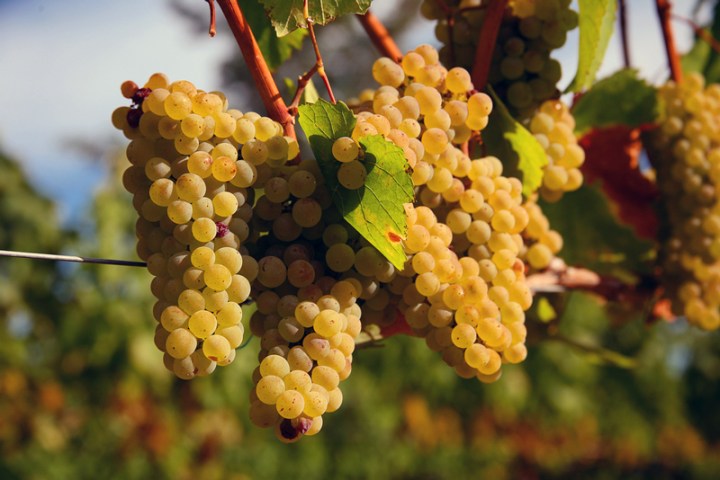
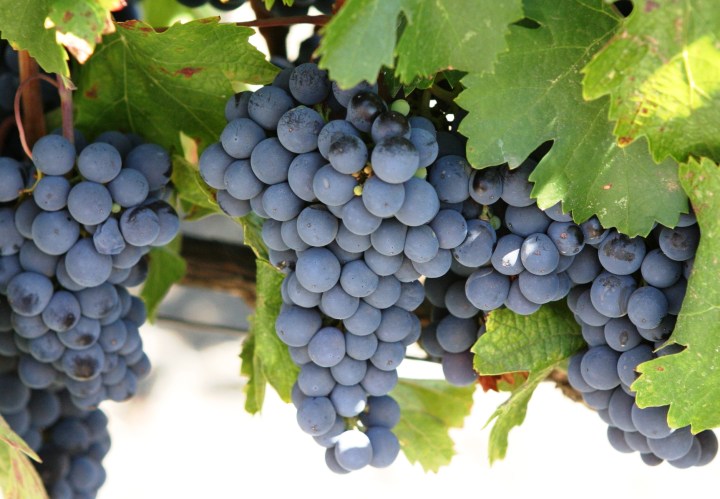
Now to answer the question, what gives a wine it’s color? In the simplest terms it’s usually based on the skin color of the grape. A white wine grape is yellow in color with the skin of the grape making little to no contact with the rest of the wine. A red wine grape is purple to black with the skins left with the juice during the fermentation process.
For example we have one of the most common white wine grapes, Chardonnay.
Image: https://vinepair.com/wine-101/chardonnay-white-wine-guide/
And here is the world’s most common red wine grape, Cabernet Sauvignon.
Image: https://justwineapp.com/article/52-weeks-of-grapes-cabernet-sauvignon
The answer is simple then, a wine’s color is determined by the grape’s skin. Of course, if it was simple this would have only taken a paragraph. Wine myth number 4, all white wines are made from pale grapes.
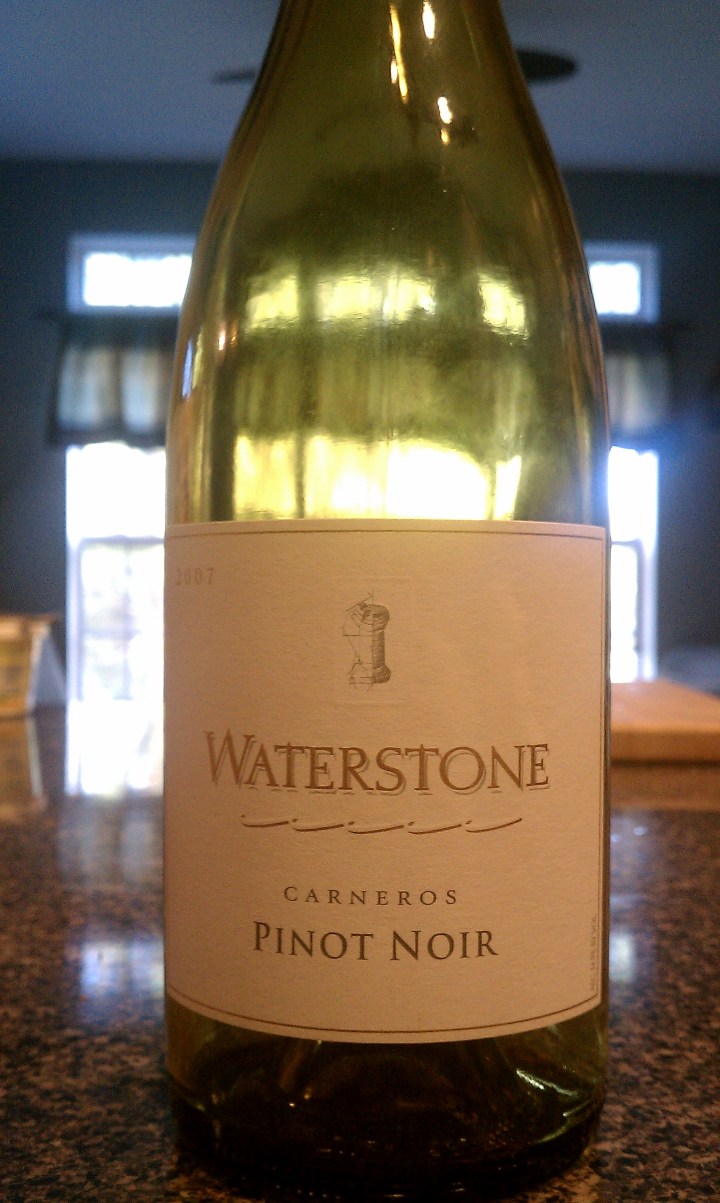
This is a Pinot Noir, a traditionally black grape with a traditionally purple hue, made into a white wine.
And here we have champagne made in the Blanc de Noirs style using Pinot Noir grapes.
Image: http://socialvignerons.com/2016/12/06/champagne-devaux-blanc-de-noirs-brut-intriguing-delicate/

Remember above when I said that red wine fermented with the skins in contact throughout the entire fermentation process? This is what happens when you don’t do that. The thing to note is that this is really only done with Pinot Noir due to its more delicate nature.
Now that we know the color differences what’s the point? What does the color of the wine have to do with anything? It can affect how the wine tastes, how acidic it is, how many tannins it has, and in some ways determine how dry a wine is. We’ll look more in depth at the terms used to describe wines, bringing it full circle back to what makes a white a white and a red a red.
Nothing is ever as easy at it seems, is it?
 The Cellar Master